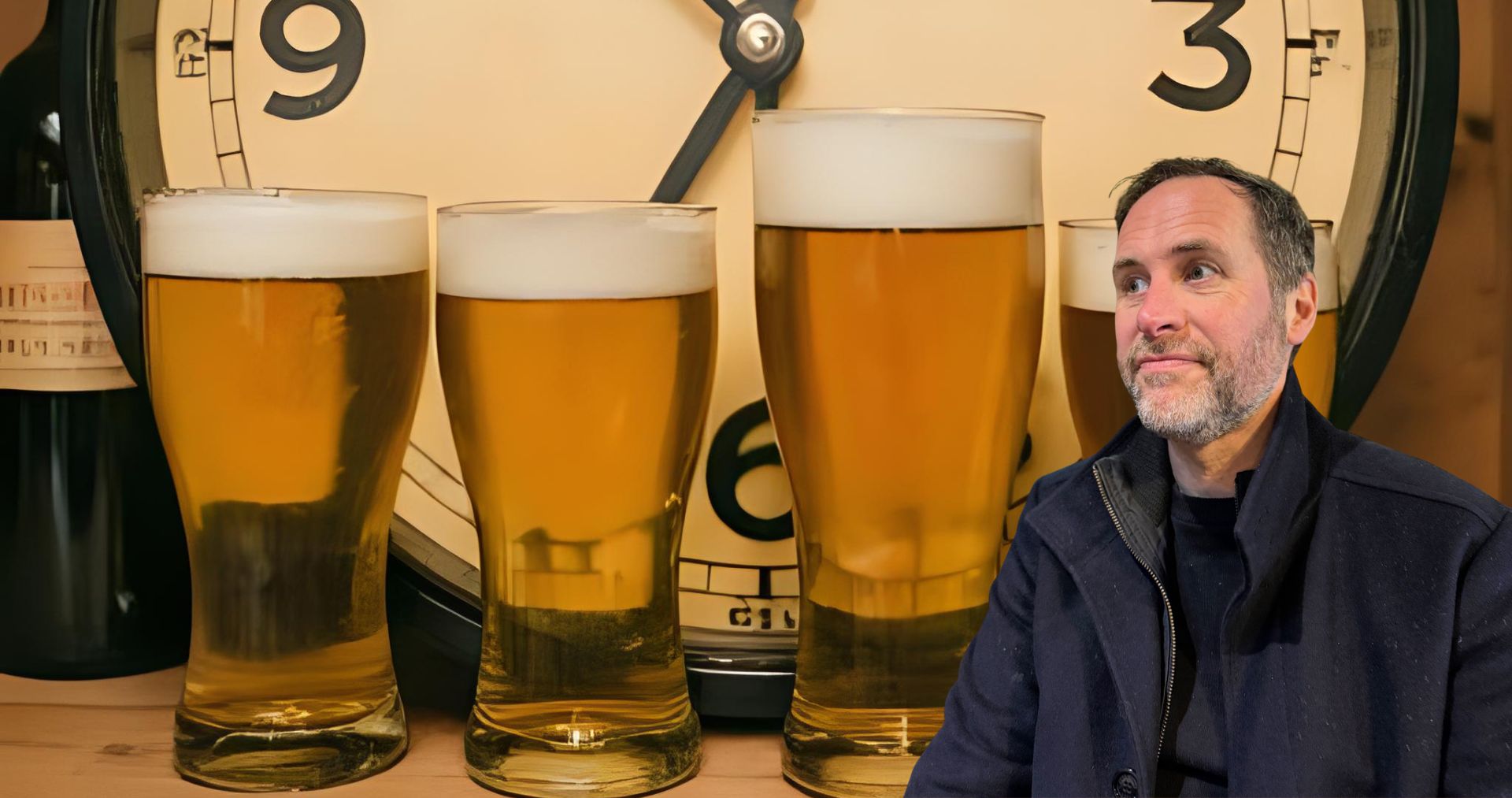
Take a break from alcohol is a simple experiment with outsized returns. It is not a label or a lifetime decision. It is a short, clear run for your body and brain that often changes how you sleep, think and lead.
There are moments when the smallest change resets everything. For me, that moment arrived in 2022.
My Wales moment
I spent a week in Wales that year. I had imagined long walks, runs on the beach, time to think and coming back sharper. I had a good time, but by the end of the week I felt I had wasted some of the opportunities with hangovers. I was a weekend social drinker. I worked hard through the week and looked forward to Friday, which usually meant a Saturday written off. I said, every time, “I am not drinking again.” But by the following weekend or the next time we were out with friends, I had a drink.
On the last day, I was sitting on a wall outside a pub at the end of our holiday in Wales. Something shifted. No fanfare. No speech. I decided to stop. It felt like flicking a switch. Since then the gains have been quiet and steady: better sleep, clearer mornings, more consistent energy and a calmer way of leading. Work felt easier because I felt better.
It is not about what you give up. It is about what you gain.
Reframing matters. If you focus on what you are losing, the choice will always feel like restraint. If you focus on what you gain, the choice becomes obvious. You gain deeper sleep and a steadier mood. You gain time in the evening that is actually restorative. You gain mornings that begin on the front foot. You gain better conversations and relationships at home. You gain the pride that comes from keeping a promise to yourself.
Why the break works (in plain language)
Your body treats alcohol as something to clear. The liver gets to work and turns it into acetaldehyde first and then into acetate before it is finally removed. That middle step is part of why you feel rough the next day. While your system is busy with that job, sleep is lighter and more fragmented, especially later in the night. This is why a nightcap can help you nod off but leave you awake at 3 a.m. and foggy in the morning.
Remove the constant background load for a month and the difference is noticeable. Sleep improves. Energy stabilises. Thinking sharpens. Mood is less volatile. If your work relies on judgement, numbers, negotiation or creativity, those gains are not trivial. They compound across the months.
Work, leadership and the compound effect
In leaders who take a break, I see calmer meetings, fewer micro conflicts, cleaner decisions and better follow through. Physical baselines improve. Morning training becomes consistent. Even two evenings a week reclaimed from drinking can become time for thinking, planning and being present at home. None of this requires a new identity. It is simply the result of a body that is recovering properly and a brain that is not being pushed off course.
Health risk in perspective
It is worth being clear on risk without drama. Alcohol and the by-products your body creates when processing it are linked with several cancers and risk rises with volume over time. In the UK, the Chief Medical Officers advise no more than 14 units a week, spread over several days, with drink-free days included. Many professionals exceed that without realising. A break reduces exposure and gives you a new baseline to decide from later.
“Is a glass of red not good for you?”
This idea has been repeated for years. When you look closely, the protective effect is weak and tangled with other lifestyle factors. A clearer story is that any regular drinking carries some risk, more drinking carries more risk and breaks reduce that risk while improving sleep, mood and control. If you choose to drink again later, you will do it with your eyes open.
Social life without the performance
Most hesitation is social, not biological. Work dinners, client drinks, birthdays, the easy default at the end of a long day. If you take a break, you do not need to announce it. Order something you enjoy. “I am good with a tonic tonight.” Let the conversation move on. Alcohol free options are far better now. People are used to it. If anyone presses, it usually says more about their habits than yours.
What changes in a month
Thirty days is enough to feel the shift. Sleep deepens. Energy steadies. Appetite regularises. Skin looks better. Many people also find they drink less afterwards because they have broken a pattern and seen the benefits for themselves.
Design your own experiment
You do not need a checklist. You need a start date and a few simple choices.
Choose the length. Thirty days to feel the difference. Ninety days to bake it in.
Decide what to notice. Sleep quality, morning mood, 3 p.m. concentration, training consistency, money saved.
Tell one trusted person. Not for permission. For a nudge if you need it.
Make two swaps. A drink you actually like when others are drinking and a simple way to mark the end of the day that is not a bottle: a walk, a shower, stretching, music or cooking.
If stopping feels hard
If you are drinking heavily or daily and worry you may be dependent, please do not stop suddenly without medical advice. Withdrawal can be dangerous. Speak to your GP or a local alcohol support service. That conversation is what they are there for.
What I would say to my younger self
You do not need alcohol to mark an occasion, to sleep, to be interesting, or to recover from a hard week. You can still choose it sometimes if you want to. But run the experiment. Even a month will teach you more than you expect. You will find extra energy in the margins. You will be proud of the promises you keep to yourself. The best parts of life feel sharper without it.
Bringing it together
Taking a break from alcohol is not a moral statement. It is maintenance. It is choosing to be at your best more often, in small, ordinary ways that other people can feel. Over a quarter, the gains are visible. Over a year, they can be transformative.
Your next move
Pick a start date. Tell one person. Make two swaps. Notice what changes. If you want a sounding board, I can help you shape a plan that fits your life and your work, and help you make the most of the extra energy you will find.